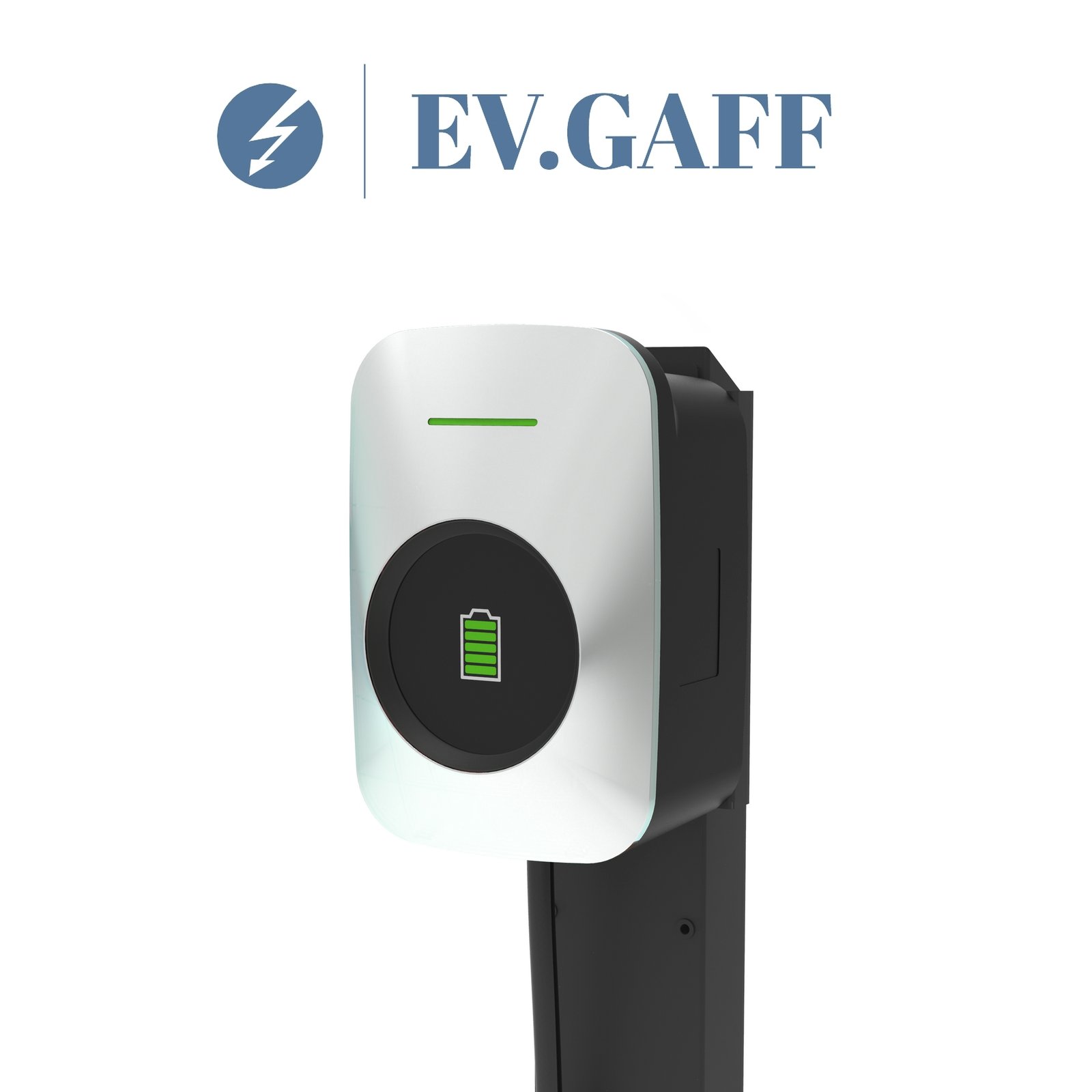
A socket-type EV charger is one of the two main wallbox configurations: the socket version has a Type 2 socket outlet on the charger unit and no permanently attached cable. The EV driver connects their own charging cable from the charger socket to the vehicle at each session.
The socket configuration has several practical advantages: the driver can choose the cable length that suits their parking position (5m for close parking, 7m for more flexible positions), the cable can be stored in the vehicle boot rather than hanging on the charger unit, and if the cable is damaged or lost it can be replaced independently of the charger.
Socket-type chargers are also preferred in multi-user installations such as car parks and workplaces where different users may drive different vehicles or use different cable lengths, and where a tethered cable hanging from the unit presents a vandalism or obstruction risk.
7kW single-phase is the standard home EV charger output in the UK, providing a full charge overnight for most electric vehicle battery capacities when charging from a depleted state.
The distinction from the tethered variant (EV7KW-Tethered) is the absence of a permanently attached cable: the socket type requires a separate cable at each charge session, while the tethered unit has the cable permanently attached and ready to plug in without retrieving a cable from the boot.
EV charger installation must be carried out by a qualified electrician competent in EV charger installation under BS 7671 and Part P of the Building Regulations.
Key Features
- 7kW single-phase wall-mounted EV charger with Type 2 socket outlet
- Socket type: user provides own cable, flexible cable length choice
- No permanent cable: clean appearance, cable stored in vehicle
- Suitable for multi-user and shared charging positions
- Use with EVGAFF 5m or 7m Type 2 cable (sold separately)
- Different from tethered type: socket requires a cable; tethered has cable attached