






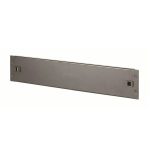
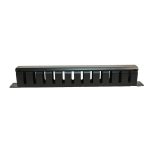
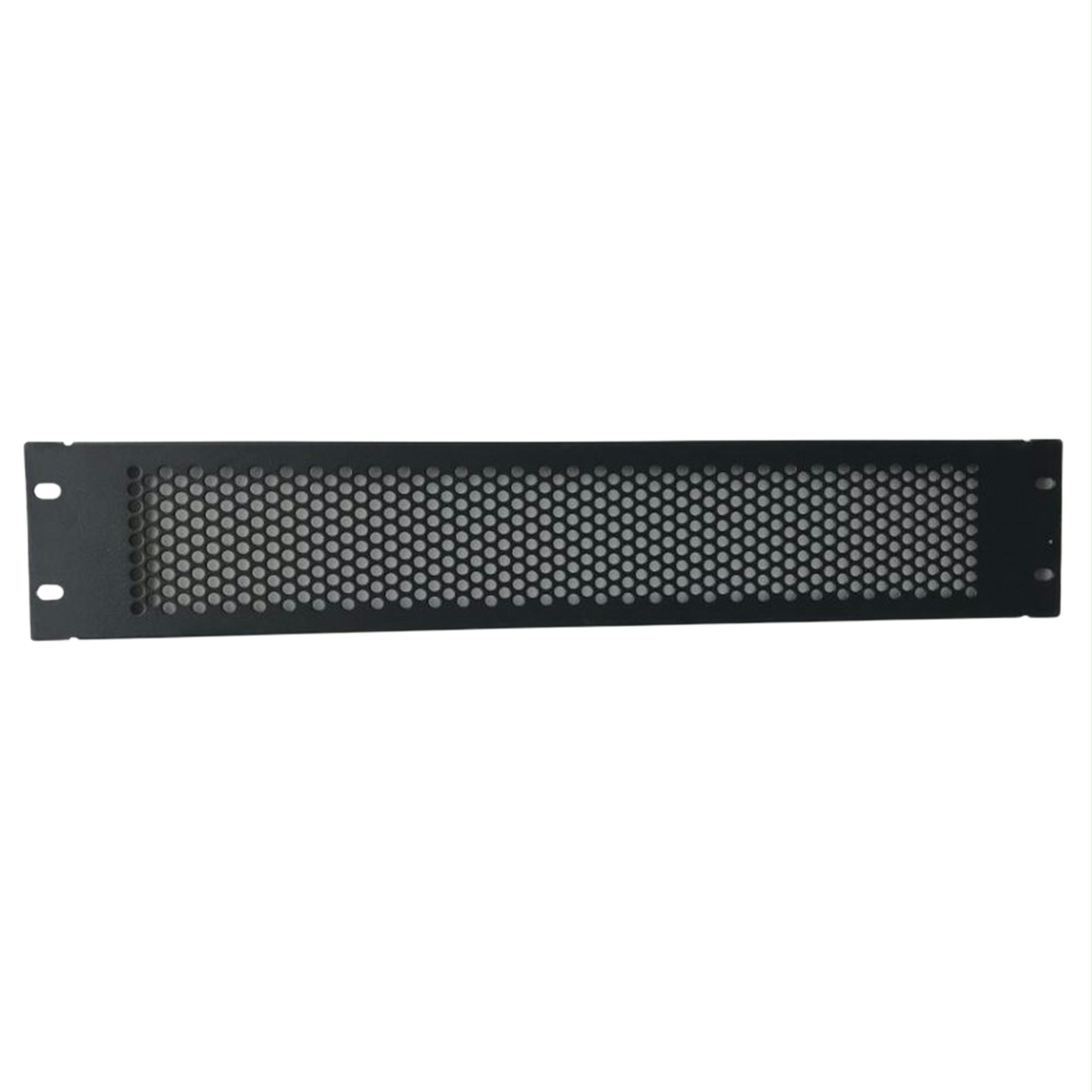



In some cabinet installations, passive vertical airflow through the cabinet structure is used alongside or instead of active forced cooling. In these configurations, blocking all unused positions with solid blank panels can restrict the passive airflow that the thermal strategy relies on. Vented blank panels allow air to move through the panel while still filling the rack unit position.
In conventional hot aisle/cold aisle data centre configurations, solid blank panels are generally preferred to prevent bypass airflow. In smaller installations with less formalised airflow management where natural convection is the primary cooling mechanism, vented panels can be beneficial.
The choice between solid and vented blank panels should be based on the cabinet’s cooling strategy: active cooling with forced airflow management benefits from solid blanks; passive convection-cooled installations may benefit from vented panels in specific positions.
For positions immediately above heat-generating equipment where convective airflow needs to escape upward, a vented panel provides a path for the rising warm air that a solid blank would obstruct.
For network and security system installers specifying vented filler panels in data cabinet positions across London and the UK, the 19-inch vented blank panel provides the perforated passive-airflow alternative to the solid blank.
Key Features
- Vented blank panel: fills unused 1U rack positions with perforated airflow
- Allows passive convective airflow through the panel
- Different from solid blank panel: vented allows air; solid blocks completely
- Use in convection-cooled installations or above heat-generating equipment
- In hot/cold aisle active cooling configurations solid blanks are usually preferred
- 19-inch standard width for universal rack mount compatibility





Reviews
Clear filtersThere are no reviews yet.