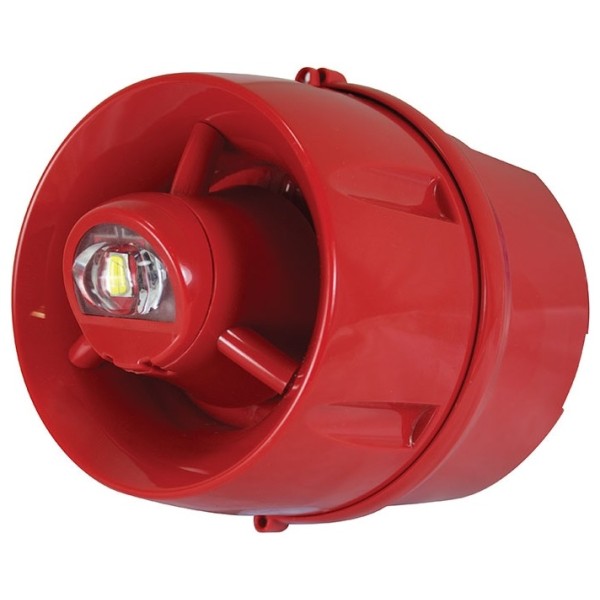
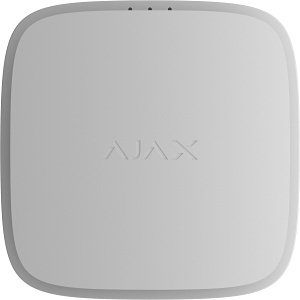
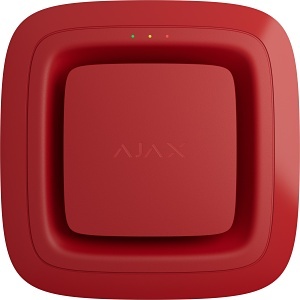
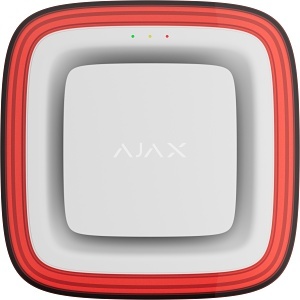
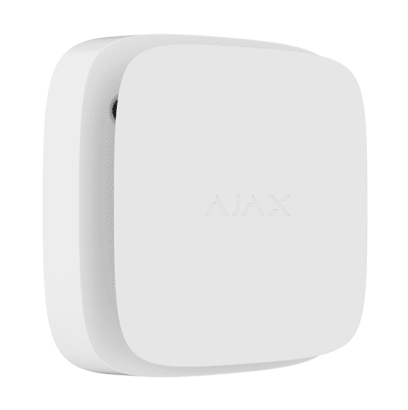
Fire alarm notification appliances (sounders with strobes) are the occupant-alerting devices in fire alarm systems. The sounder provides the audible alarm signal and the strobe (VAD, Visual Alarm Device) provides the visual signal for occupants who cannot hear the sounder due to hearing impairment or high ambient noise levels.
The 100dB(A) sound output is the standard minimum specification for fire alarm sounders in UK buildings under BS 5839. In practice, the sounder must achieve 65dB(A) at each sleeping area head level and 75dB(A) in areas where the alarm must be heard to wake sleeping occupants. The 100dB(A) device output provides the margin needed to achieve these minimum levels at distance and through building structures.
The ActiV range is C-TEC's conventional fire alarm notification range, compatible with C-TEC's CFP conventional panels and other standard two-wire and four-wire conventional fire alarm circuits. The ActiV range uses a current-draw-based addressing mechanism that simplifies zone wiring compared to individually addressed devices.
The deep base (DR suffix) provides additional depth behind the device face for accommodating thicker cable bundles and multi-core cables, which are common in commercial fire alarm installations. This is the appropriate mounting option when the standard shallow base would not accommodate the installed cabling.
For fire alarm engineers completing notification appliance installations on C-TEC and compatible conventional fire alarm systems across London and the UK, the BF433C provides the wall VAD sounder in C-TEC's ActiV series.
Key Features
- C-TEC ActiV wall sounder with VAD strobe: 100dB(A) audio and visual alarm
- Dual alert: audible for standard occupants, visual strobe for hearing-impaired
- Deep base (DR): accommodates multi-core fire alarm cabling behind the device
- For C-TEC conventional fire alarm panels and compatible two/four-wire circuits
- 100dB(A) output: meets BS 5839 minimum levels at distance through structure
- ActiV range: compatible with C-TEC CFP panel series and conventional zones