






How Human Detection CCTV Cameras Reduce False Alerts

Key Takeaways
Human detection CCTV cameras use AI to filter out false alerts from animals and vehicles, sending notifications only when a real person is detected on your site.
- Standard motion detection cameras trigger alerts for anything that moves — animals, vehicles, or wind — while human detection CCTV cameras use deep learning to classify only human silhouettes, dramatically cutting false alerts.
- Alert fatigue is a genuine risk: when staff are flooded with irrelevant notifications, real intrusion events get missed — AI-powered person detection keeps your alert feed actionable and worth responding to.
- Camera placement, resolution, and lighting all directly affect detection accuracy — systems planned with these factors in mind from the start will consistently outperform those set up on factory defaults.
- Human detection technology works best when paired with access control, adequate lighting, and professional monitoring — no single technology delivers maximum results in isolation.
- Customisable smart intrusion alert rules — including time-of-day sensitivity and zone-specific triggers — give commercial sites far greater control than basic motion detection systems allow.
Anyone who has managed a business security system knows the frustration of a camera that cries wolf. An alert pings at 2am, you check the footage, and it is a plastic bag drifting across the car park. Human detection CCTV cameras are designed to solve exactly this problem by filtering out irrelevant motion and reserving alerts for what actually matters: a person entering your site. For Manchester shop owners, warehouse operators, and office managers, that shift from constant noise to actionable intelligence can make a genuine difference to how security is managed day to day.
This article explains how human detection technology works, where it performs best, what its real limitations are, and what to look for when specifying cameras for your site. Whether you are reviewing your current setup or planning a new installation, understanding what these cameras can and cannot do will help you make better decisions before you buy.
What Are Human Detection CCTV Cameras?
Human detection CCTV cameras use AI to identify people within their field of view and trigger alerts only when a person is detected, not when a car, animal, or swaying tree branch moves through the scene. Unlike standard motion-activated cameras, which respond to any pixel change, these cameras apply a classification process that distinguishes human shapes and movement from other objects. The result is a smarter, more reliable alert system that gives you notifications worth acting on.
Why False Alerts Are a Real Problem for Business Security
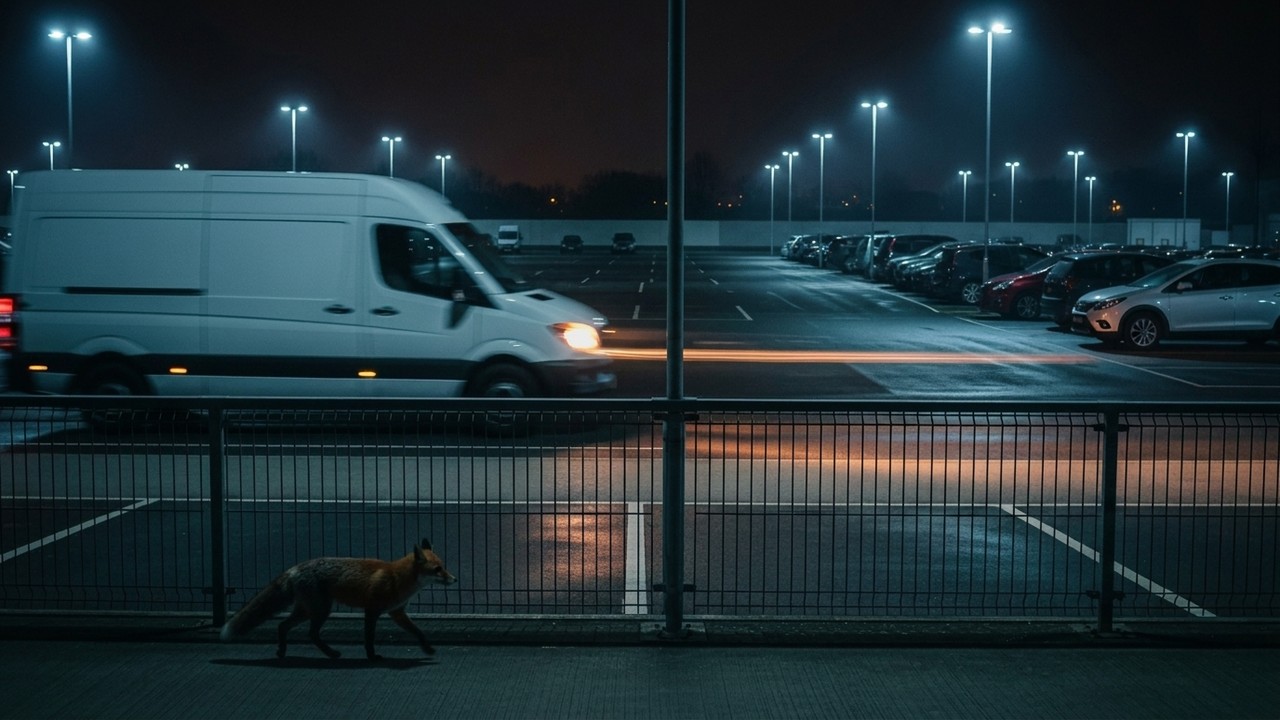
Standard motion detection CCTV cameras work by sensing any change in pixels across their field of view. In practice, that means the camera treats a fox, a passing car, a swaying tree branch, or a sudden lighting change exactly the same as a person attempting to break into your premises. The result is a flood of irrelevant alerts that gradually erodes trust in the system.
When staff receive dozens of false notifications every week, they start ignoring them, and that is precisely when a genuine intrusion gets missed. This problem has a name: alert fatigue. It affects businesses of all sizes and is one of the most common reasons surveillance systems fail to deliver on their promise.
Property managers running multiple sites across Greater Manchester, from Salford and Trafford to Stockport and Bolton, are especially vulnerable, because the volume of alerts across locations quickly becomes unmanageable without intelligent filtering. Reducing false camera alerts is not about adding more cameras and generating more noise. It requires smarter cameras that understand the difference between human presence and environmental movement.
How Human Detection CCTV Cameras Work
At the heart of a genuine AI human detection camera is a deep learning model trained on large datasets of human images. Rather than simply flagging pixel changes, the camera analyses the shape, proportions, and movement patterns of whatever appears in its field of view, then compares them against learned characteristics of the human form.
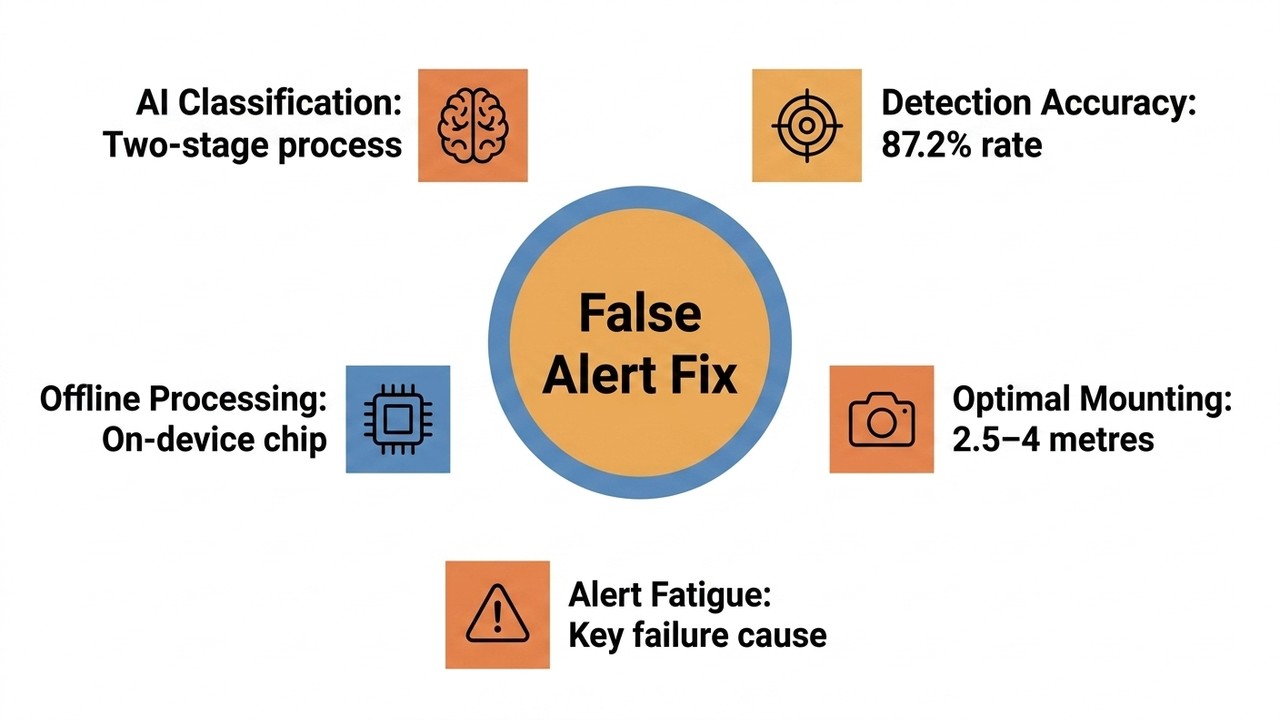
A car moving through a car park, a bird landing on a fence post, or a branch swaying in the wind will not trigger a person alert, because none of them share the silhouette and movement signature of a human being. AI-powered cameras apply classification logic on top of motion sensing: movement is detected first, then assessed before any alert is generated. That two-stage process is what eliminates most false positives.
Real-Time Analysis on the Device
Modern person detection cameras process each frame directly on the device, with no external cloud server required. The on-device chip evaluates human silhouettes and body dimensions, characteristic gait patterns that distinguish walking or running people from other moving objects, and spatial boundaries you define for your site. Because analysis happens locally, response times are fast and the system continues to function even if internet connectivity is interrupted.
Person Detection vs Standard Motion Zones
Older systems let you draw detection zones on screen to mask areas you do not want the camera to respond to. This helps, but it is a blunt tool. A busy road behind a fence, common across industrial estates in areas like Trafford Park or Openshaw, can still generate alerts if vehicles fall within the camera’s field of view, and manually adjusting zones every time site conditions change is time-consuming.
Person detection cameras filter by object type rather than location alone. You can define a boundary and specify that alerts should only fire when a verified person crosses it, not a vehicle or animal. This combination of spatial control and object classification is what makes people detection surveillance meaningfully more useful than a standard motion grid.
| Feature | Standard Motion Detection | Human Detection (AI) |
|---|---|---|
| Alert trigger | Any pixel change in the frame | Confirmed human presence only |
| False alert rate | High — cars, animals, lighting changes all trigger alerts | Significantly reduced through classification |
| Object classification | None — movement only | Distinguishes people from vehicles, animals, and objects |
| Detection zone control | Location-based zones only | Location and object type combined |
| Processing location | Camera or NVR | On-device chip — no cloud required |
| Internet dependency | Varies by system | Operates offline — local processing |
| Alert customisation | Basic sensitivity settings | Time of day, zone, sensitivity, and object type rules |
What Triggers a Smart Intrusion Alert
A smart intrusion alert is generated only after the camera has completed its classification process and confirmed that the object crossing a defined boundary is a person. The camera does not simply detect movement and send a notification. It identifies, classifies, and then triggers.
Most professional systems allow alert rules to be customised well beyond a simple on/off switch. You can configure sensitivity thresholds by time of day, adjust detection zones to focus on your highest-risk areas, and set different rules for different cameras within the same NVR. This level of configuration is not available with entry-level motion detection cameras, and it is one of the key reasons professional-grade systems are worth specifying correctly from the outset.
Where People Detection Cameras Add the Most Value
Human detection technology delivers the greatest benefit in environments where legitimate motion is frequent but human intrusion is the specific risk being managed.
Retail premises benefit from alerts configured to fire only after hours, filtering out staff movement during trading. This is particularly relevant for high-footfall areas such as the Northern Quarter, Deansgate, or Piccadilly.
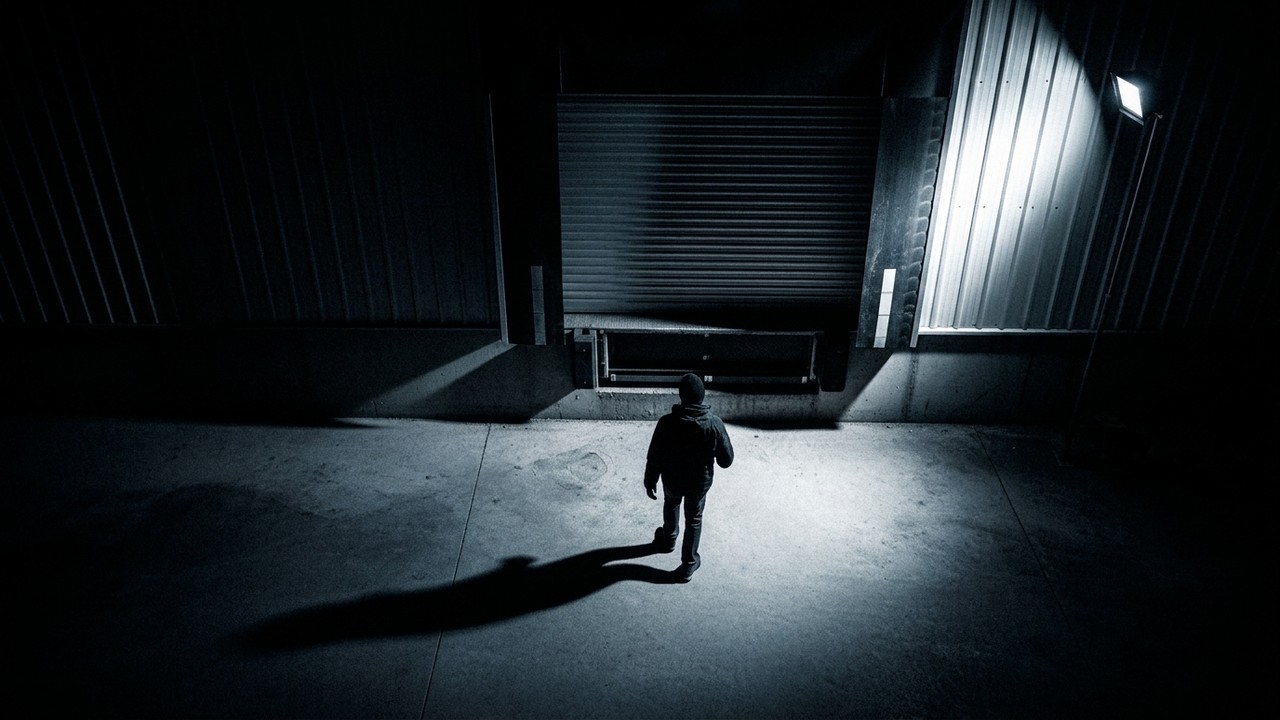
Warehouse perimeters present a common challenge across Manchester’s industrial zones in Stretford, Bury, and Rochdale, where AI filtering separates a person approaching a loading bay from the forklifts and delivery trucks passing through the same area throughout the day.
Office car parks are among the most evidence-supported locations for targeted CCTV investment. According to a 40-year systematic review published by the Office of Justice Programs, car parks show the largest and most consistent crime-reduction effects from CCTV.
Construction sites with open perimeters and high-value equipment stored out of hours benefit significantly from smart intrusion alerts around access points, a real concern on active development sites across Greater Manchester.
Limitations of Human Detection Cameras
No detection system is infallible, and being clear about that upfront is more useful than overselling the technology.
Camera positioning affects classification directly. A camera mounted too high or at too steep a downward angle may not capture enough of the human silhouette for reliable identification.
Detection distance introduces accuracy loss as subjects move further from the camera, particularly if resolution is insufficient to render human features clearly at range. Research into IP-camera-based systems has recorded human detection rates of around 87.2% and reliability figures of approximately 83.6%. These are solid results, but they leave a meaningful margin for error that installation quality can either reduce or widen.
Lighting conditions remain a practical concern for outdoor sites across Greater Manchester, where winter nights are long, ambient lighting varies between city-centre and out-of-town industrial locations, and overcast conditions are common throughout the year.
Overlapping camera coverage, supplementary lighting, and cameras with strong low-light or thermal capability can all address these gaps. The technology performs best when installation has been planned with these factors in mind from the start, not after the cameras are already in position.
How to Choose the Right Human Detection CCTV Camera
When comparing options, the specifications that matter most are image resolution, which affects both classification accuracy and evidentiary quality, detection range, night vision capability, and NVR or VMS compatibility to ensure clean integration with your recording and management setup.
Not all cameras claiming human detection use the same underlying AI engine. The difference in real-world performance between a well-engineered deep learning model and a basic classification algorithm can be considerable.
It is also worth noting that schemes deploying multiple interventions alongside CCTV generated larger crime-reduction effect sizes than those relying on surveillance alone. Pairing human detection cameras with access control, adequate lighting, and professional monitoring creates a more robust security environment than any single technology can achieve independently.
Working with an authorised Dahua distributor gives you access to a full range of professional-grade cameras with consistent AI capabilities across the product line, along with the technical guidance needed to match the right specifications to your site. At Knight Security, every approved trade customer is assigned a dedicated account manager who can assist with project planning and product selection.
Getting the Most from Your Human Detection Setup
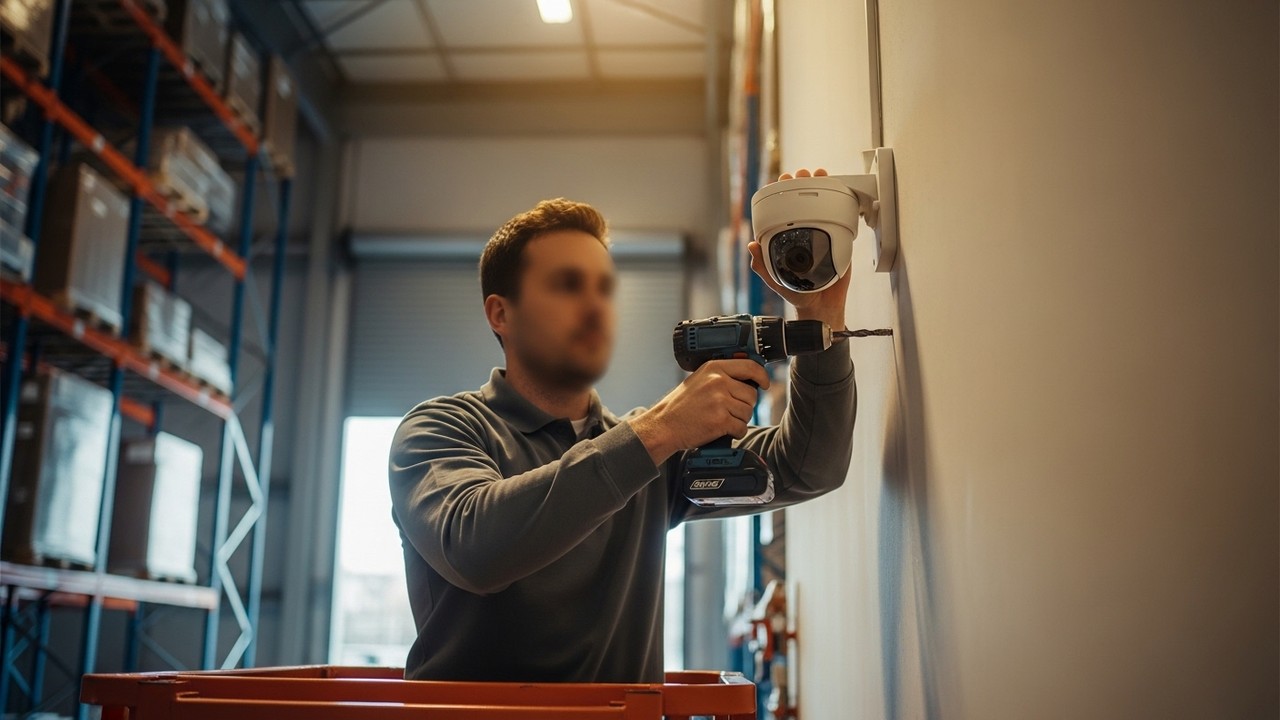
Installation decisions made at the start of a project determine how well the system performs for years afterwards. A mounting height between 2.5 and 4 metres is generally recommended to capture the full human silhouette without an excessive downward angle, though the optimal position will vary by environment. Lens angle should balance coverage area with the resolution needed for reliable detection at the furthest point of the zone.
Installers who map out detection zones before mounting cameras save considerable reconfiguration time later. Detection rules, sensitivity thresholds, and zone boundaries should also be revisited whenever site conditions change. New signage, vegetation growth, or changes to lighting can all affect performance.
Smart technology shifts the operator’s role from manually reviewing footage to assessing detected events and making response decisions, but attentive oversight remains essential. Using technical support during setup, rather than relying on factory defaults, is one of the most reliable ways to ensure the system works well from day one.
If you are specifying human detection CCTV cameras for a commercial site in Manchester or anywhere across the UK, Knight Security’s team is ready to help. Talk to your dedicated account manager about Dahua’s professional-grade camera range and get the technical support your project needs to be completed with confidence.
Frequently Asked Questions
What is the difference between human detection and standard motion detection in CCTV cameras?
Standard motion detection triggers on any pixel change in the frame. A passing car, a swaying branch, or a change in lighting can all generate an alert. Human detection cameras add a classification layer that identifies whether the moving object is a person before sending any notification. This two-stage process significantly reduces false alerts.
Can human detection cameras work without an internet connection?
Yes. Professional-grade human detection cameras process analysis directly on the device using an on-board chip. The system continues to classify and alert even when internet connectivity is unavailable, making it reliable for sites where network access may be intermittent.
How accurate are AI person detection cameras?
Research into IP-camera-based systems has recorded detection rates of around 87.2% and reliability figures of approximately 83.6%. These are strong results, but accuracy depends heavily on camera positioning, image resolution, detection distance, and lighting conditions at the installation site.
What is the best camera height for reliable human detection?
A mounting height between 2.5 and 4 metres is generally recommended. This allows the camera to capture a clear view of the full human silhouette without an angle so steep that body proportions become difficult for the AI model to classify accurately. The optimal height will vary depending on the environment.
Do human detection cameras work well in low-light conditions?
Performance can degrade under poor illumination. For sites with limited ambient lighting, such as out-of-town industrial estates or construction sites, cameras with full-colour low-light capability or thermal imaging provide more reliable detection than standard infrared models. Supplementary lighting also improves classification accuracy.
Can I use human detection cameras with my existing NVR or recording system?
Compatibility depends on the camera brand and your current NVR or VMS setup. Professional-grade cameras from established manufacturers such as Dahua are designed to integrate with compatible recording systems, but it is important to verify compatibility before purchase. A dedicated account manager or technical advisor can confirm this for your specific configuration.
Are human detection CCTV cameras suitable for small businesses as well as large sites?
Yes. Human detection cameras are available across a range of specifications and price points, making them suitable for single-site retail premises as well as multi-location commercial operations. The key is matching the camera’s detection range and resolution to the size and layout of the area being monitored.
| Factor | Impact on Performance | Recommended Approach |
|---|---|---|
| Camera mounting height | Too high or too steep an angle reduces silhouette clarity | Mount between 2.5 and 4 metres where possible |
| Detection distance | Accuracy decreases as subjects move further from the camera | Match resolution to the furthest point of the detection zone |
| Lighting conditions | Poor illumination degrades classification reliability | Use low-light or thermal cameras; add supplementary lighting |
| Camera coverage overlap | Blind spots allow undetected entry | Plan overlapping fields of view across key areas |
| Detection zone configuration | Incorrect zones increase false alerts or miss genuine events | Map zones before installation; review when site conditions change |
| NVR and VMS compatibility | Incompatible systems may not support AI alert rules | Verify compatibility before purchase with a technical advisor |