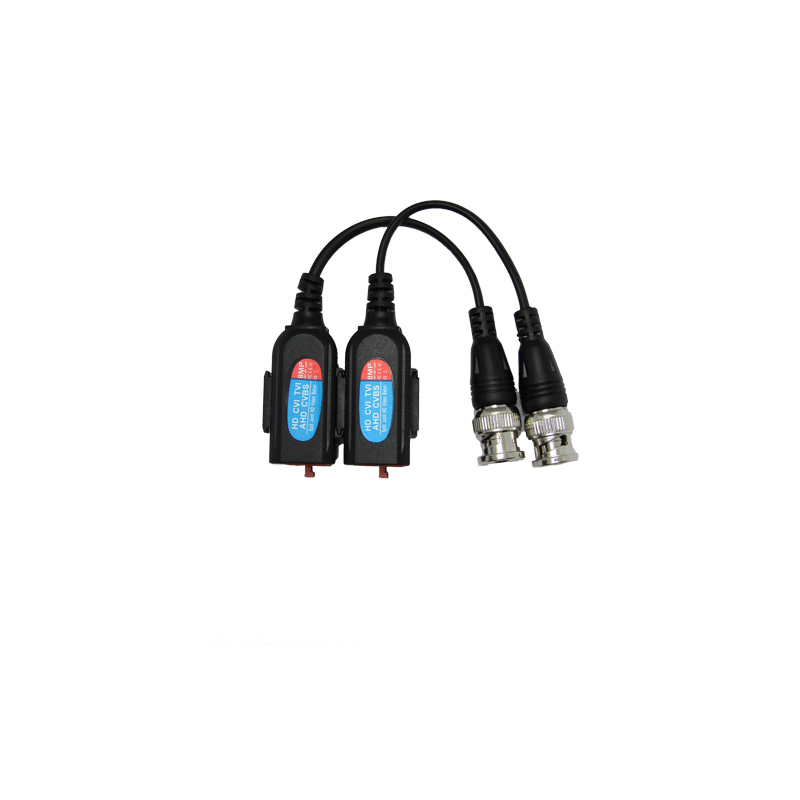
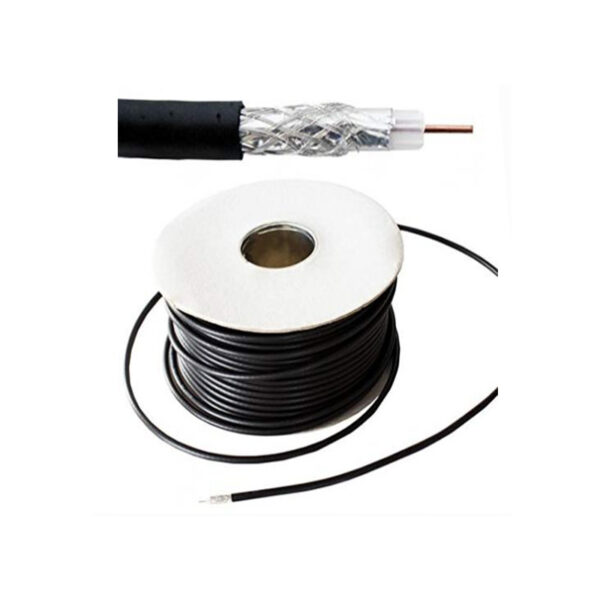
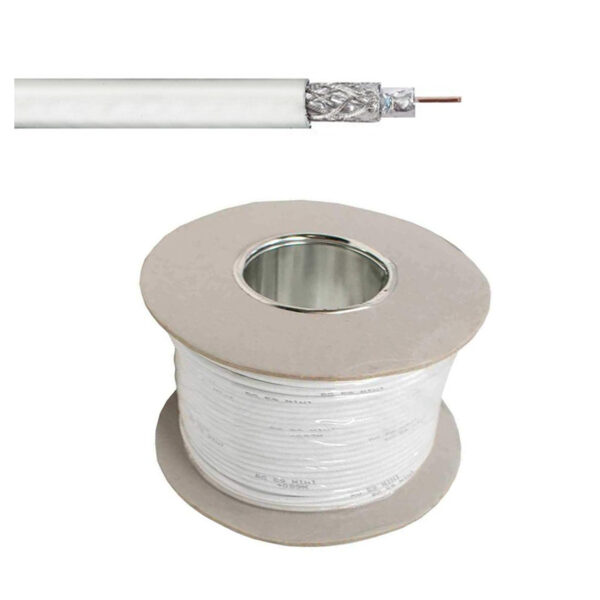
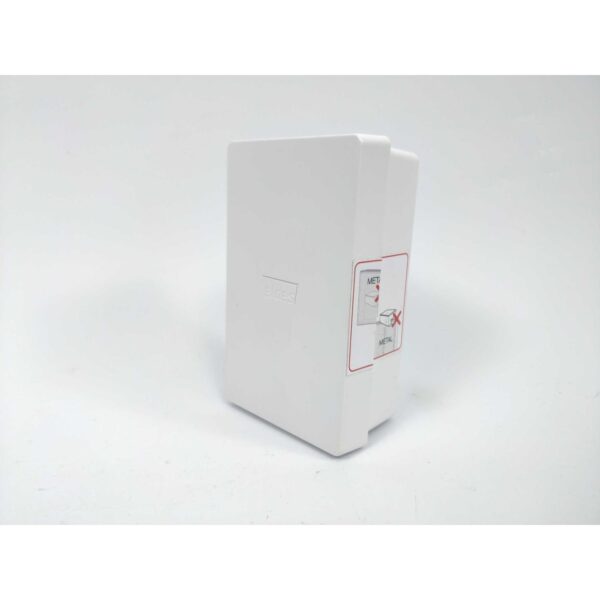
The push-button video balun performs the same impedance conversion function as the screw-terminal variant, enabling 4K analogue CCTV video to be transmitted over Cat5/6 twisted pair cable instead of coaxial cable. The distinction is in the connection mechanism: push-button terminals accept stripped wire ends inserted directly into the connector body and locked in place by an internal spring mechanism, releasing with a push on the corresponding button.
Push-button terminals are faster to terminate than screw terminals in high-volume installations where many baluns are being connected at an NVR end distribution point or at a patch panel. The stripped wire end is inserted and locked in a single motion without the need to tighten a screw, which on a large installation with many balun connections represents a measurable time saving per connection.
The 4K specification ensures these baluns support the maximum resolution of current analogue CCTV cameras over UTP, matching or exceeding the resolution the camera can produce over coaxial cable on a typical run length.
The push-button connection method is the appropriate choice where the installer is pre-terminating a group of baluns at the head end or where the cable has been cut to length with stripped ends ready for direct insertion, and where the speed of the push-in connection is preferred over the mechanical security of a screw terminal.
For CCTV installers completing UTP-based analogue camera installations across London and the UK where 4K baluns with push-button connections are the chosen termination method, these passive transmitters provide the correct specification at the faster-termination format.
Key Features
- 4K-rated passive video balun with push-button wire insertion terminals
- Faster termination than screw terminals for high-volume balun connections
- Spring-locked wire insertion without tools or screw tightening
- Same 4K UTP video transmission as screw-terminal variant
- Converts 75-ohm coaxial impedance to differential twisted pair for Cat5/6
- Passive operation: no power supply required