Failsafe and fail-secure are the two fundamental electromagnetic lock operating modes, and the specification choice has safety and compliance implications for door access control installations.
A failsafe electromagnetic lock holds the door closed when powered, and releases when power is removed. This means a power cut, fire alarm activation that cuts power to access control equipment, or a manual emergency door release will all result in the door opening and becoming passable. For fire exit routes and any door that must be passable in an emergency without the need for a key or code, failsafe is the legally required operating mode.
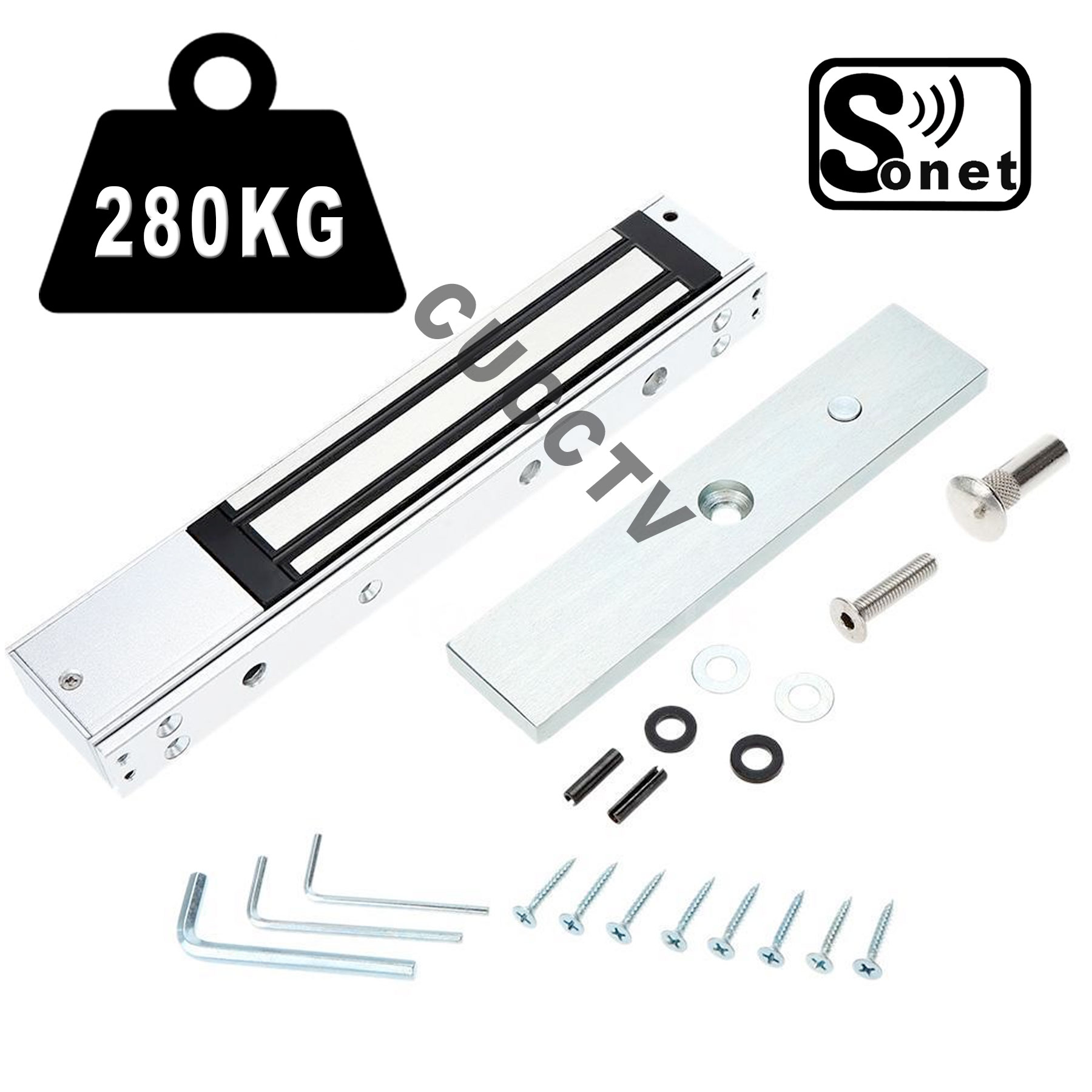
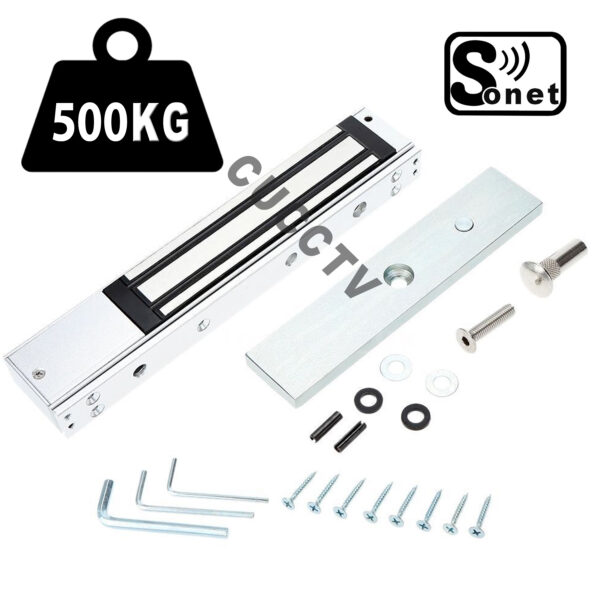
At 280KG (600lb) holding force, this maglock provides a substantial resistance to forced entry when the door is secured, appropriate for main entrance doors, office access points, and controlled access internal doors. The electromagnet achieves this force by the direct contact between the lock body and the armature plate when the door is closed, requiring no mechanical latch mechanism that can wear or be defeated.
12V/14V DC operation is compatible with standard access control power supplies and battery-backed PSUs used in access control installations. The low voltage supply also means the lock can be wired as part of a fail-safe fire alarm integration, releasing automatically when the fire alarm panel cuts power to the access control zone.
For access control installers across London and the UK completing door lock installations on fire exit routes and controlled access doors, the 280KG failsafe maglock is the standard specification where door-free passage in an emergency is a legal and safety requirement.
Key Features
- 280KG (600lb) holding force for secure door access control
- Failsafe operation: releases and unlocks when power is removed
- Correct specification for fire exit routes and emergency egress doors
- 12V or 14V DC operation compatible with standard access control PSUs
- No mechanical latch: electromagnet provides holding force through direct contact
- Suitable for main entrances, office doors, and controlled access points