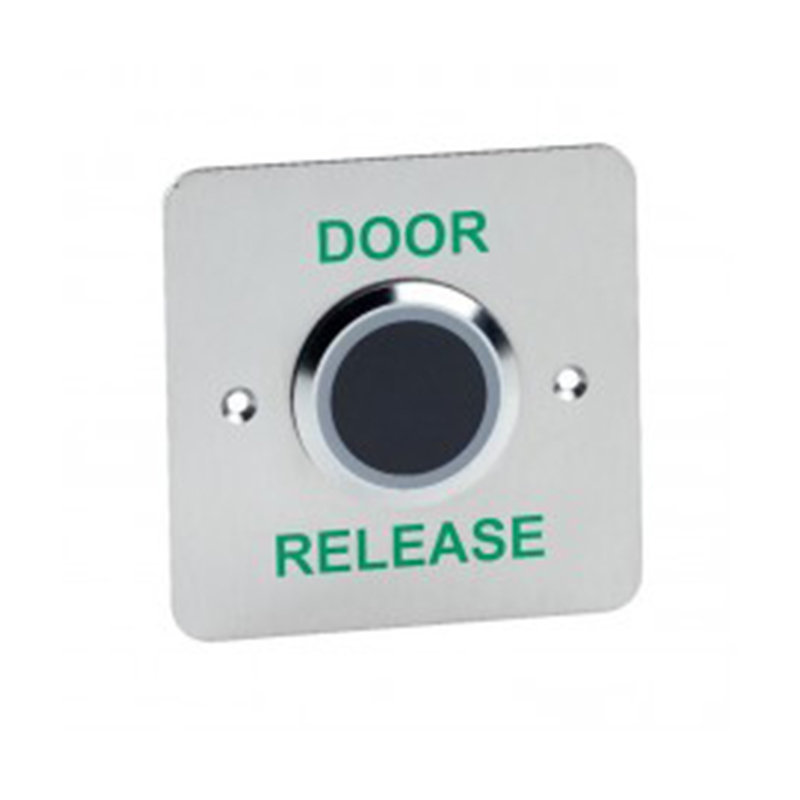
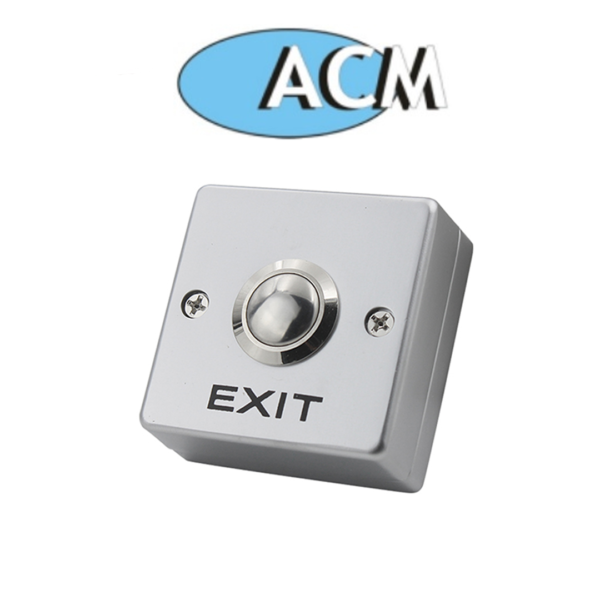
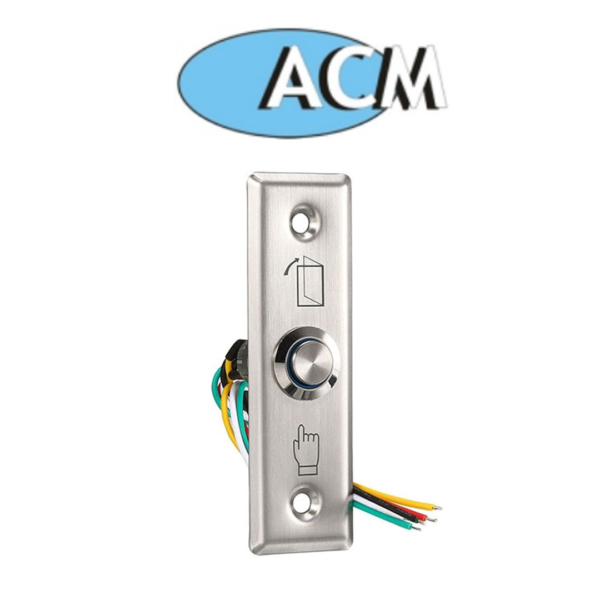
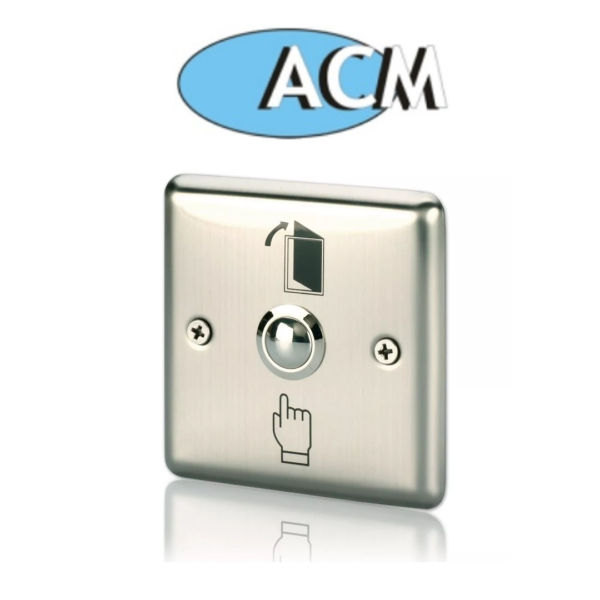
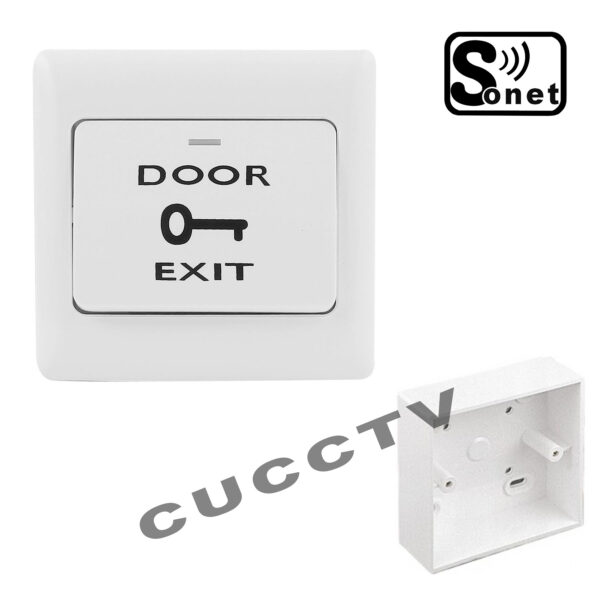
An exit button or request-to-exit device releases the access-controlled door from the inside, allowing authorised occupants to exit without presenting a credential to the reader. The contactless format of the ACC-EX02 provides the exit function without requiring physical contact with the button surface.
Contactless exit buttons are specified in environments where hygiene is a consideration: healthcare facilities, food preparation areas, clean rooms, and post-pandemic commercial fit-outs where touchless operation at control points is standard. The hand is passed near the sensor area and the door release is activated without any physical touch, maintaining the touchless interaction that reduces cross-contamination risk.
The flush-mounted design provides a clean, architecturally integrated appearance on the wall surface at the door exit point, sitting flush rather than protruding as a conventional surface-mounted button does. This is appropriate for commercial and modern office fit-outs where the aesthetic quality of the access control hardware is relevant to the overall design specification.
The button provides a standard dry contact output that connects to the access control panel's request-to-exit input, and the contactless activation range allows operation by someone with their hands full or wearing gloves without any adjustment to the normal exit gesture.
For access control installers completing hygienic and architecturally conscious door release installations across London and the UK, the STP flush contactless exit button provides a modern touchless exit solution for access-controlled doors.
Key Features
- Flush-mounted contactless exit button for access-controlled door release
- Touchless activation: hand proximity releases door without physical contact
- Flush mount for architecturally integrated appearance on wall surfaces
- Suitable for healthcare, food preparation, and hygiene-sensitive environments
- Standard dry contact output for access control panel request-to-exit input
- Reduces physical button wear and mechanical maintenance requirements